
Choosing between online and physical ACCA classes in 2025 can feel like a tough call, especially when both options seem to offer strong benefits. The ACCA qualification is already demanding, so picking the right learning format can make a huge difference in how smoothly (or stressfully!) your journey goes.
The world of education has shifted dramatically in the last few years. After COVID-19 accelerated digital learning, online classes became not just an alternative but a global norm. According to recent education insights, more than 70% of students worldwide have taken at least one online course, and around 65% prefer hybrid or flexible learning over traditional fixed schedules. ACCA students are no exception.
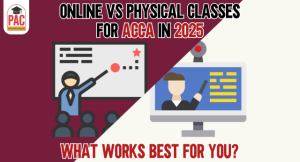
But here’s the big question: For ACCA in 2025, what actually works best online or physical classes?
Let’s break it down in a simple, friendly, and practical way so you can figure out what truly suits your lifestyle, learning habits, and career goals.
In this blog, we are going to compare how online vs physical classes for ACCA differ in 2025. By understanding the difference, you will be able to make the right choice with options like the School of Online Learning by PAC.
What are the Needs of an ACCA Student in 2025?
Before diving into the comparison, it’s important to understand that ACCA isn’t just another qualification. It requires discipline, consistent effort, and clarity in concepts. Students often juggle jobs, internships, or university alongside ACCA, which makes flexibility and accessibility essential.
In 2025, students expect:
- Time-saving study options
- Access to top instructors regardless of location
- Updated learning resources
- Personalized pace of study
- Exam-focused guidance
Both online and physical classes can meet these expectations but in different ways.
Online ACCA Classes in 2025: A New Era of Flexibility
Online classes have evolved dramatically. What used to be recorded lectures and PowerPoints has now become an immersive experience with:
- live interactive sessions
- digital whiteboards
- downloadable notes
- instant doubt-solving
- practice platforms
- online revision bootcamps
The Big Advantage: Flexibility
If we look for a fact, most of the ACCA students are often multitaskers. Maybe you’re working, or maybe you just prefer studying late at night. Online classes help you tailor your routine around your life instead of rearranging everything around class timings.
You can:
- learn at your own pace
- rewatch difficult lectures
- study while traveling
- avoid commute stress
- save time and energy
A 2024 survey on professional students found that 82% said online learning improved their productivity because they could set their own study rhythm.
Cost Efficiency
With rising transportation, hostel, and food costs, online ACCA classes can be budget-friendly. You only pay for the course, not the commute or extra living expenses.
Comfort and Convenience
Some students simply learn better in their own room, in their own environment, with fewer distractions. You’re in control.
But Online Learning Isn’t Perfect
Online classes require:
- Self-discipline
- Stable internet
- Strong motivation
- A distraction-free setting
If you’re someone who loses focus quickly or thrives in a social study environment, online might feel isolating at times.
Physical ACCA Classes in 2025: The Traditional but Trusted Approach
Despite the rise of online learning, physical classes still hold a strong appeal—especially for ACCA students who want structure.
The Big Advantage: Classroom Discipline
Attending classes physically encourages a routine. You dress up, show up, and stay engaged in a structured environment. This helps students who struggle with consistency.
Face-to-Face Interaction
Learning directly from teachers by asking questions instantly, participating in discussions, and engaging with peers. Such an activity can boost understanding and confidence. For some ACCA papers, especially the harder strategic ones, this interaction makes a big difference.
Strong Campus Environment
Many students love the energy of studying on campus by seeing other ACCA aspirants, meeting seniors, forming study groups, and attending in-person workshops. It’s motivating.
The Downsides
- Commuting eats time
- Fixed schedules limit flexibility
- Classes may feel fast-paced or slow depending on your learning style
- Living costs increase if you’re from another city
In 2025, many students feel that full-time physical classes can be hard to manage alongside jobs or internships.
Online vs Physical Classes: Which One Is Better for ACCA in 2025?
There’s no universal answer. It depends entirely on your lifestyle, personality, and study habits.
Here’s a simple comparison to help you decide:
Choose Online If:
- You want flexibility
- You’re working or interning
- You’re self-disciplined
- You live far from major acca institutes
- You prefer revisiting lectures
- You want to save costs
Choose Physical Classes If:
- You need structure and routine
- You focus better in classrooms
- You enjoy social learning
- You learn best through real-time interactions
- You struggle studying alone
Most ACCA students in 2025 actually prefer a hybrid approach by taking some papers online (like knowledge level) and others physically (like strategic professional).
How PAC Helps ACCA Students Choose the Best Path
PAC (Professional Academy of Commerce) has been a major name in accounting education in Pakistan for over three decades. With thousands of ACCA affiliates and prize-winners, the institute has built a reputation for strong exam preparation, expert faculty, and student success.
In 2025, PAC understands that students have different learning needs. That’s why they offer both online and physical class options, supported with quality resources and experienced instructors. Let’s look at how PAC supports students in each format.
Highly Qualified Faculty
PAC’s teachers include Pakistan and global prize-winning instructors who have taught ACCA for years. Their explanations, tips, and exam strategies have helped thousands clear papers on the first attempt.
Structured Learning Environment
Timetables, attendance checks, weekly quizzes, and on-campus revision sessions create a highly disciplined study culture.
Interactive Classroom Discussions
Students can ask questions on the spot, debate concepts, and learn from peers—something many feel is harder to replicate online.
Supportive Campus Life
The motivation of studying alongside other ACCA aspirants is huge. From libraries to mentorship sessions, PAC’s physical campuses offer a complete academic experience.
PAC’s School of Online Learning: A Game Changer for ACCA Students
PAC’s School of Online Learning (SOL) is one of the most advanced online ACCA learning platforms in Pakistan. It’s not just “recorded lectures” it’s a full digital ecosystem designed for modern students.
Live and Recorded Lectures
Students can join interactive live classes or watch recordings anytime. This dual option is ideal for those balancing work or living in remote areas.
24/7 Access to Learning Resources
Notes, quizzes, past papers, exam tips, you can get everything that is available online whenever you need it.
Access to Top Instructors Nationwide
You don’t have to move cities to study with the best. PAC brings its top faculty directly to your laptop or phone.
Exam-Focused Digital Tools
Students get mock exams, progress tracking, and feedback by helping them stay exam-ready throughout the session.
Flexibility Without Compromise
SOL lets you learn at your own pace but still provides structure through schedules, reminders, and online support. This combination of flexibility + discipline is why thousands of ACCA students in Pakistan trust PAC’s online system every year.
What Works Best for You in 2025?
Here’s the truth: both online and physical classes can help you succeed in ACCA, but the best choice depends on you.
Ask yourself:
- Do I learn better alone or with others?
- Is flexibility important for my routine?
- Do I want to save time and cost?
- Do I stay consistent without external pressure?
- Do I prefer in-person interactions?
Your answers will guide your path.
But the good news is: PAC supports both.
Whether you prefer the structure of on-campus classes or the convenience of the School of Online Learning, PAC offers reliable guidance, expert teaching, and an exam-focused approach that makes ACCA easier to navigate. Contact PAC today and fill out your form to secure your slot at the most prestigious ACCA institutes that focuses on both physical and online education.
FAQs
Are online ACCA classes recognized and effective in 2025?
Absolutely. Online ACCA classes are widely recognized and often delivered by ACCA-approved learning partners. With the advancement of interactive tools, recorded lessons, and AI-based revision systems. Students worldwide have successfully passed ACCA through online-only study routes.
Do physical ACCA classes provide better exam success rates?
Success rates largely depend on your commitment. Physical classes sometimes boast higher pass rates due to structured routines and direct support from tutors. However, many top-performing ACCA students today study entirely online. Your discipline and study consistency matter most.
What are the main advantages of online ACCA classes in 2025?
Online classes offer self-paced learning, flexibility for working professionals, access to global tutors, and availability of recorded lectures. They also reduce travel time and costs. Updated digital resources and AI-powered practice tools make online learning highly efficient.
What are the main benefits of physical ACCA classroom learning?
Physical classes provide real-time interaction, immediate doubt-clearing, and strong peer motivation. They create a structured learning environment that reduces distractions. Classroom discussions and networking with fellow students can also enhance long-term career opportunities.